Daniel S. Longyhore, Pharm.D., FCCP, BCACP (Director)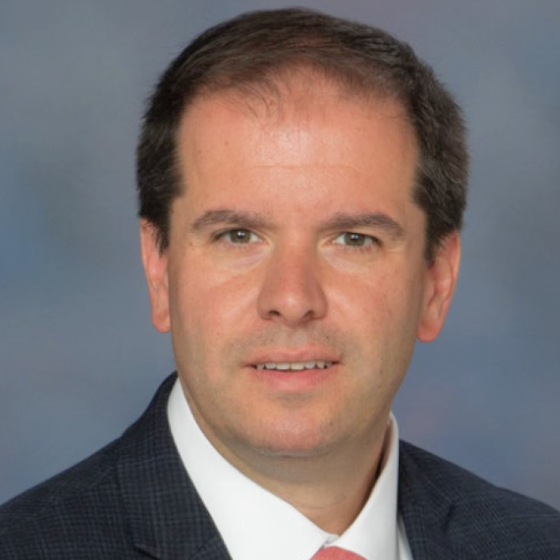 Dan Longyhore is the System Director of Knowledge Management for Pharmacy with Geisinger in Pennsylvania. As System Director, Dan oversees education, professional development, and collaborative practice agreements for system pharmacists and pharmacy technicians. He serves as administrator for Geisinger’s pharmacy residency programs and maintains affiliations with schools of pharmacy across the U.S. for introductory and advanced practice experiences. Dan earned his master’s in Education and 2015 and his Doctor of Education in 2020 and is board certified in ambulatory care. He moved into a director role with the Teaching and Learning Certificate Program in 2019 and has been a part of its core faculty since 2010. |
Kylie N. Barnes, Pharm.D., FCCP, BCPS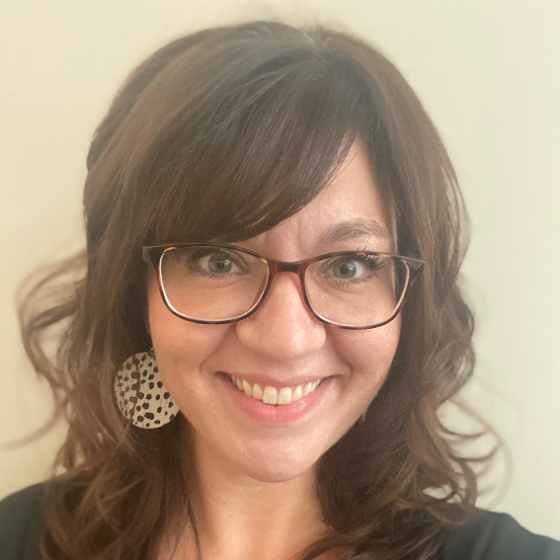 Kylie N. Barnes, Pharm.D., BCPS, is a Clinical Associate Professor at the University of Missouri -- Kansas City School of Pharmacy. Dr. Barnes graduated from St. Louis College of Pharmacy. After graduation, she completed a PGY-1 pharmacy practice residency with SSM Health St. Mary’s Hospital in St. Louis, and a PGY-2 residency in Ambulatory Care through St. Louis College of Pharmacy. She has been active in the field of women’s health for over 10 years. Her teaching, research, and patient care activities are focused in women's health, and her practice is in a maternal fetal medicine clinic at University Health in Kansas City. She has been active in ACCP’s Women’s Health PRN since joining ACCP in 2010. She also serves as a peer reviewer for the Annals of Pharmacotherapy and the American Journal of Obstetrics and Gynecology. Dr. Barnes’s didactic responsibilities include oversight of the applied skills lab course series, and coordination and development of clinical examinations throughout the curriculum at UMKC. She also teaches reproductive health, menstruation related disorders, and pregnancy and lactation within the pharmacotherapy course sequence. |
Angela L. Bingham, Pharm.D., FCCP, BCPS Angela L. Bingham is Acting Chair and Clinical Associate Professor at the Philadelphia College of Pharmacy at Saint Joseph's University. Additionally, she serves as PGY2 Critical Care Pharmacy Residency Program Director and Residency Programs Coordinator. Dr. Bingham earned her PharmD degree from the South Carolina College of Pharmacy. She completed a pharmacy practice residency at The Johns Hopkins Hospital and specialized in critical care at The Regional Medical Center at Memphis in conjunction with The University of Tennessee Health Science Center. She is board certified in pharmacotherapy, nutrition support, and critical care. |
Elias B. Chahine, Pharm.D., FCCP, FASCP, FFSHP, BCIDP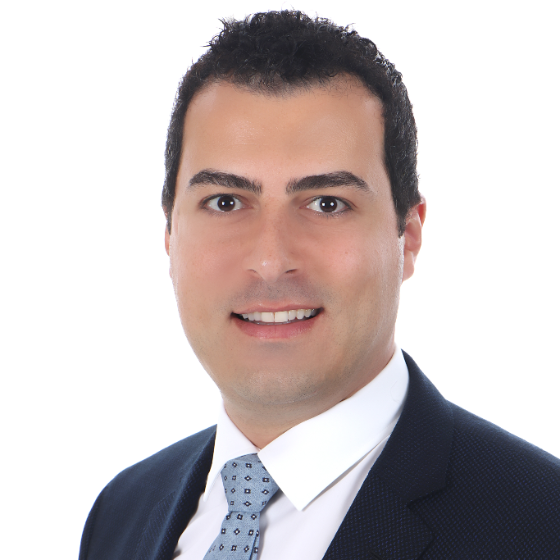 Elias B. Chahine is Professor of Pharmacy Practice at Palm Beach Atlantic University and Clinical Pharmacy Specialist at Wellington Regional Medical Center. He has written 7 book chapters and 100 articles on infectious diseases, antimicrobial stewardship, immunizations, geriatrics, pharmacy education, cultural sensitivity, and medical missions. He has presented extensively at local, state, national, and international pharmacy meetings. He is active in professional organizations and has served in various leadership capacities. Elias is the recipient of several awards in recognition of his teaching, practice, research, and service. He received his Doctor of Pharmacy degree from the Lebanese American University and completed a Pharmacy Residency at Mary Imogene Bassett Hospital, affiliated with Columbia University. In addition, he completed an Academic Leadership Fellows Program through the American Association of Colleges of Pharmacy and a Mentored Research Investigator Training Program through ACCP. |
Lindsay Davis, Pharm.D., FCCP, BCCP, BCPS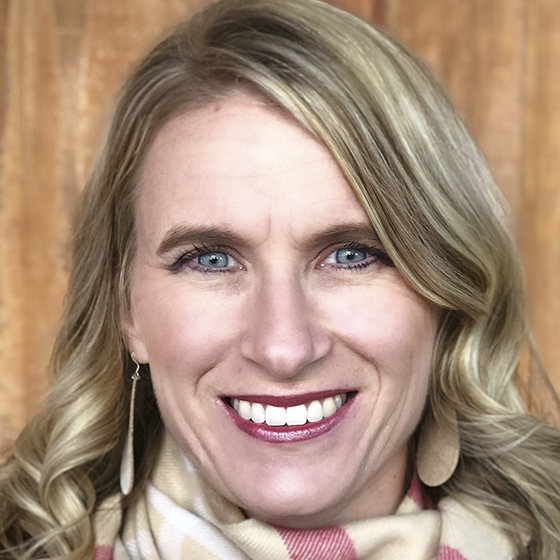 Lindsay E. Davis, PharmD, BCPS, BCCP, ASH-CHC, TTS, FAzPA, FNAP, FCCP, is a member of Pfizer’s Internal Medicine Field Medical Group serving Arizona and New Mexico on behalf of the Cardiology & Metabolism Team. Prior to her work with Pfizer, Dr. Davis was a Professor at Midwestern University College of Pharmacy - Glendale (CPG) where she continues to serve as an adjunct faculty member at CPG. She earned her Doctor of Pharmacy degree in 2003 from the University of Arizona and completed her residency training in 2009-2010 in adult acute care at the Phoenix Veterans Affairs Medical Center. Dr. Davis volunteers at a private cardiology practice where she facilitates a Pharmacist Orthostatic Hypotension Clinic through a collaborative practice agreement (CPA). Between 2010-2022 she precepted over 130 students and residents in cardiology, internal medicine, and academia rotations. Dr. Davis is honored to have received the Mentor of the Year, Teacher of the Year, and Outstanding Educator Awards during her tenure at CPG. Dr. Davis served as the Program Coordinator for CPG’s Clinician Educators Program, a post-graduate longitudinal teaching and learning curriculum for pharmacists in practice or post-graduate training, which was offered from 2013-2022 and has nearly 600 program alumni. She was the principal investigator for the Habits of Preceptors research project www.habitsofpreceptors.org. Dr. Davis’s scholarly publications are focused on teaching and precepting methods as well as cardiovascular pharmacotherapy. A record of her scholarly work can be found at https://www.webofscience.com/wos/author/record/1970164. |
E. Kelly Hester, Pharm.D., FCCP, BCPS, AAHIVP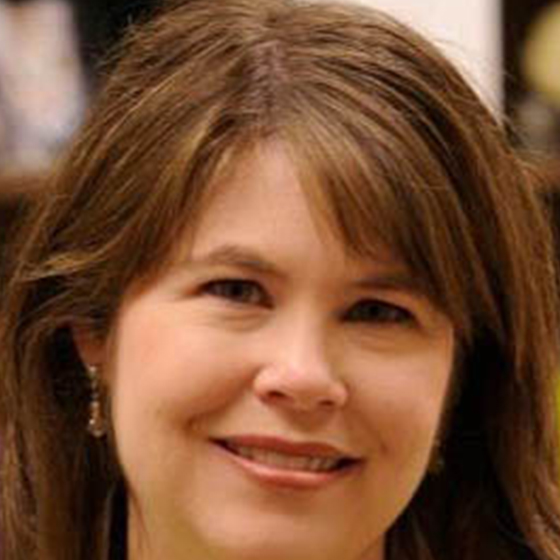 Kelly Hester, Pharm.D., FCCP, BCPS, AAHIVP is an Associate Clinical Professor in the Department of Pharmacy Practice at Auburn University Harrison College of Pharmacy. She received her B.S. and Pharm.D. from Auburn University and completed a Pharmacy Practice residency at Wake Forest University Baptist Medical Center. She worked for three years at the University of Alabama Birmingham AIDS outpatient/research clinic serving as a clinical and investigational drug pharmacist. Currently she has practice affiliations with two adult HIV clinics in Alabama to provide collaborative medication therapy management pharmaceutical care services for the HIV and primary care needs of her patients. |
Kristi W. Kelley, Pharm.D., FCCP, BCACP, BCPS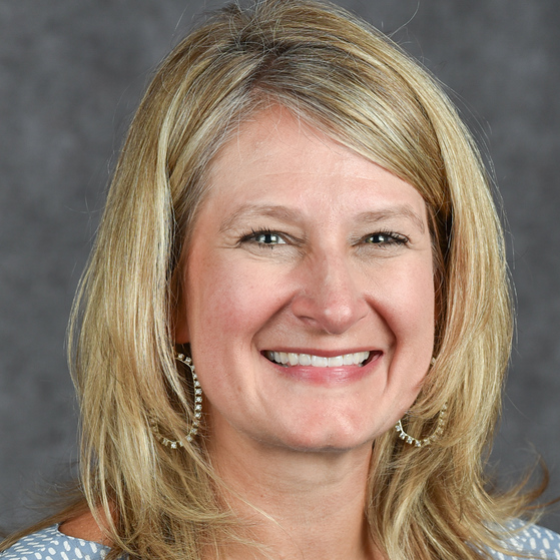 Kristi W. Kelley is a Clinical Professor of Pharmacy Practice at Auburn University Harrison College of Pharmacy and Clinical Pharmacist with Baptist Health Foundation Center for Medical and Surgical Care with Brookwood Baptist's Internal Medicine Residency Program in Birmingham, Alabama. She is responsible for planning, implementing, and managing all pharmacy services related to patient care as well as precepting pharmacy students and residents in this setting. Since 2001, Dr. Kelley has established clinical pharmacy services in 3 outpatient internal medicine clinics. Dr. Kelley earned both her Bachelor of Science in Pharmacy and Doctor of Pharmacy degrees at Auburn University Harrison School of Pharmacy. She completed an ASHP-accredited Primary Care Residency at the University of Mississippi Medical Center in Jackson, Mississippi. Dr. Kelley is a Board Certified Pharmacotherapy Specialist (BCPS), a Board Certified Ambulatory Care Pharmacist (BCACP), a Certified Diabetes Care and Education Specialist (CDCES), and a Board Certified Advanced Diabetes Manager (BC-ADM). |
Zachary A. Stacy, Pharm.D., FCCP, BCPS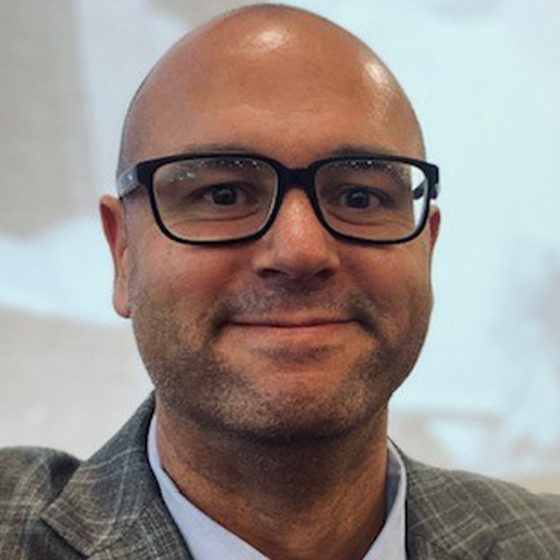 Zachary A. Stacy, Pharm.D., MS, FCCP, BCPS, is a Perioperative Clinical Pharmacy Specialist at Barnes Jewish West County Hospital. He earned his Bachelor of Science degrees in Chemistry and Biology from Blackburn College and his Masters in Chemistry degree from Southern Illinois University in Edwardsville. Dr. Stacy completed his Doctor of Pharmacy degree at the St. Louis College of Pharmacy and a specialty residency in internal medicine at St. Luke’s Hospital in Chesterfield, Missouri. He is a board-certified pharmacotherapy specialist. Dr. Stacy’s didactic responsibilities include anticoagulation, pain management, anesthetics, peripheral arterial disease, and venous thromboembolism. He teaches in the Physician Assistant program at Saint Louis University and the Dental Hygienist program at St. Louis Community College. Dr. Stacy has won numerous teaching awards including the 2005 Excellence in Clinical Precepting, the 2009 Joe E. Haberle Outstanding Educator of the Year Award, 2009 Emerson Excellence in Teaching Award, and the 2010 Missouri Pharmacy Association Faculty Member of the Year Award. Dr. Stacy’s primary research interests include opioid use in the perioperative setting and the management of peripheral arterial disease. He has authored numerous articles, reviews, and book chapters and frequently provides presentations at state, national, and international conferences. He is an active member of numerous pharmacy organizations. In 2013, Dr. Stacy was named a Fellow of the American College of Clinical Pharmacy. |
Pamela L. Stamm, Pharm.D., FCCP, BCACP, BCPS, CDE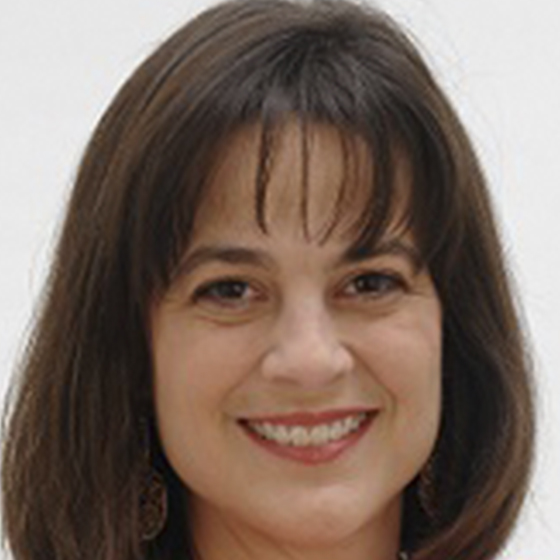
Pamela L. Stamm is an associate professor of pharmacy practice. She received her B.S. degree in pharmacy from the St. Louis College of Pharmacy, St. Louis, Missouri; her Pharm.D. degree from the Medical University of South Carolina, Charleston, South Carolina; and an ASHP-accredited primary care residency at the Medical Center and Lakeland Family Practice, Jackson, Mississippi. Thereafter, she joined the faculty of Auburn University’s Harrison School of Pharmacy. She teaches diabetes self-management and immunization technique in the classroom and provides both IPPEs and APPEs in ambulatory care. Stamm has established services and practiced in a family medicine residency program (anticoagulation and diabetes clinics), a community-based pharmaceutical care center (wellness screenings, tobacco cessation, and targeted medication programs for a self-insured entity), and Veterans Affairs. In her current practice within the Central Alabama Veterans Health Care System, she provides comprehensive medication management with prescribing privileges under a broad scope of practice. She provides care through face-to-face and telephone appointments. She also facilitates shared medical appointments. Her research and scholarship areas include quality care improvement, problem-based learning, SOAP documentation, assessment of student interventions, and career portfolio development. Stamm is active within ACCP, AACP, and ASHP through membership, networking, volunteerism, and leadership. Within ACCP, she is a member of the Education and Training (EDTR) and Ambulatory Care PRNs.
|